STIR/SHAKEN for Business VoIP: Caller ID Authentication, Spam Labels, and What To Do
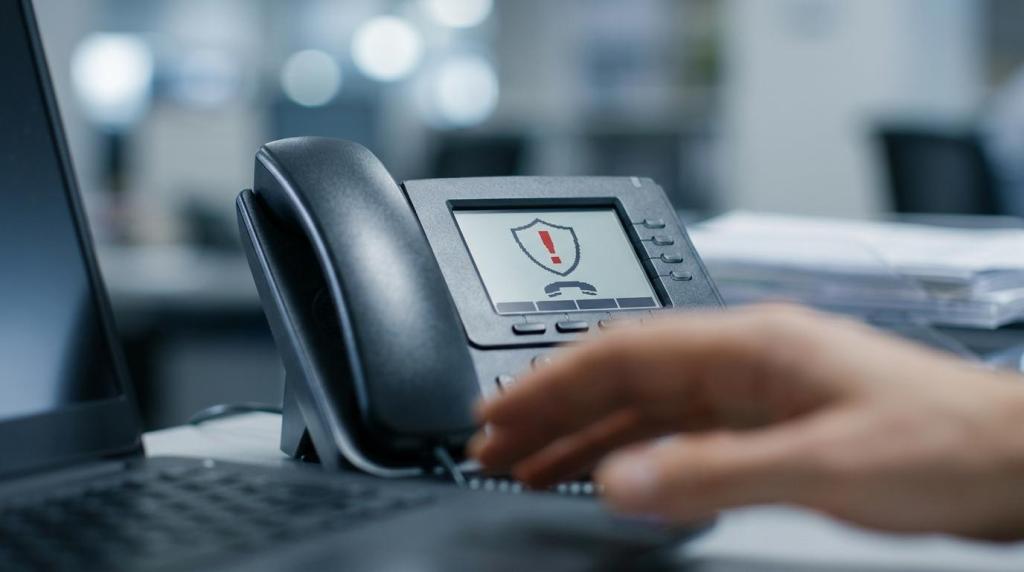
A business can do everything right on the customer service side and still lose calls before anyone says hello. When an outbound number shows up as “Spam Likely,” “Possible Spam,” or gets blocked outright, the damage is immediate: lower answer rates, frustrated sales teams, missed service callbacks, and a growing sense that the phone system is working against the business.
That is why STIR/SHAKEN matters far beyond telecom jargon. STIR/SHAKEN — short for Secure Telephone Identity Revisited / Signature-based Handling of Asserted information using toKENs — is the caller ID authentication framework used across modern voice networks. For business VoIP, it affects whether outbound calls look trustworthy to carriers, analytics engines, and the people receiving them.
Why STIR/SHAKEN Matters for Business VoIP
STIR/SHAKEN is the caller ID authentication framework used across modern voice networks to help verify that a call is really coming from the number shown on the screen. The FCC has described it as a way for service providers to verify that the caller ID information transmitted with a call matches the caller’s number. ATIS, one of the industry groups involved in the framework, has said it helps people know when displayed caller ID is accurate and alerts them when it may not be.
For businesses using VoIP, that matters every day. A medical office returning patient calls, a contractor following up on estimates, or a support team making outbound callbacks all depend on answer rates. If trust in the caller ID breaks down, the call may never get picked up.
This is not just a technical preference. FCC rules require most providers to implement STIR/SHAKEN on the IP portions of their voice networks, and providers that still have non-IP portions must take anti-robocall action and file robocall mitigation plans. That makes caller ID authentication part of a regulated anti-spoofing effort, not a nice extra.
How STIR/SHAKEN Caller ID Authentication Works
At a practical level, the originating voice provider checks the call and signs it with information that helps the downstream provider evaluate whether the caller ID can be trusted. When the call reaches the terminating side, that signature can be checked before the receiving carrier presents the call to the end user.
The main goal is simple: reduce caller ID spoofing.
A spoofed call happens when someone places a call using a number they are not actually authorized to use. That is one reason a legitimate business number can be harmed even when the business itself did nothing wrong. Bad actors may spoof a real business number, prompting complaints and damaging the number’s reputation.
Businesses often hear about “attestation” when discussing STIR/SHAKEN with a carrier. That generally refers to the confidence level a provider has that the caller is authorized to use the number. A provider with strong proof of number ownership and customer identity is in a better position to attest to the call appropriately. If the provider cannot fully validate the relationship between the customer and the number, the call may still go through, but it may carry less trust across the call path.
Why a Business Caller ID Still Gets Labeled as Spam
STIR/SHAKEN helps, but it does not act like a magic switch that removes every spam label. Spam labeling systems use more than one signal. Authentication is a major factor, yet carriers and analytics vendors also look at call patterns, complaint activity, number reputation, call volume spikes, and how consistently the number is used.
That is why a business can have authenticated outbound VoIP calls and still see “Spam Likely” appear on some networks. Authentication says, in effect, “this call likely came from the party using this number.” It does not automatically say, “this number has a clean reputation.”

The FCC’s consumer complaint process reflects this reality. It explicitly asks whether a caller’s own telephone number is being spoofed, blocked, or labeled as a possible spam call. In other words, spam labeling is tied to the same broad caller ID trust problem that STIR/SHAKEN is meant to address.
Several common issues can push a legitimate number toward spam treatment:
- prior spoofing of the business number
- sudden outbound call bursts
- inconsistent caller ID presentation
- low answer rates and repeated redials
- complaints from called parties
- shared reputation problems at the carrier level
A business VoIP team should treat spam labeling as both a network issue and a reputation issue. Fixing one side while ignoring the other rarely solves the problem for long.
FCC Rules and STIR/SHAKEN Compliance for VoIP Providers
The regulatory side matters because it shapes what providers are supposed to support. Under FCC rules and the TRACED Act framework, IP-based voice providers — including interconnected VoIP providers — have been required to implement STIR/SHAKEN in the IP portions of their networks. The FCC has also made clear that where non-IP segments still exist, providers must still take robocall mitigation steps.
That means a business choosing a VoIP provider or SIP trunk is not just shopping for dial tone. It is choosing how well its outbound identity will be handled, authenticated, and defended against spoofing-related reputation damage.
The table below shows how the pieces connect.
| Area | FCC or industry focus | Business impact |
|---|---|---|
| IP portions of voice networks | STIR/SHAKEN caller ID authentication required for most providers | Outbound calls have a better foundation for trust |
| Non-IP portions of networks | Providers must maintain robocall mitigation plans | Legacy paths can still affect call treatment |
| Caller ID spoofing complaints | The FCC treats spoofed, blocked, or possible spam labels as part of the complaint landscape | A business number can become a visible customer-facing issue |
| Terminating carrier call treatment | Authenticated calls can help carriers decide whether to block or label calls | Answer rates may rise when trust signals are stronger |
| Number reputation | Separate from authentication, often driven by analytics and complaints | A signed call can still be flagged if the number looks risky |
A key takeaway stands out: STIR/SHAKEN supports trust, but reputation still has to be managed.
What Businesses Should Ask Their VoIP Provider About STIR/SHAKEN
Many businesses assume their provider “handles all that.” Sometimes that is true. Sometimes the answer is partial, unclear, or buried in carrier relationships that never get discussed until calls start failing.
A good provider conversation should cover more than whether STIR/SHAKEN is technically enabled. It should also cover how outbound numbers are validated, how attestation is assigned, and what happens when a legitimate number gets mislabeled.
The most useful questions are practical ones:
- Number ownership records: Are all outbound DIDs documented and tied to the right account?
- STIR/SHAKEN support: Is caller ID authentication active across the provider’s IP call paths?
- Attestation handling: How does the provider determine the trust level applied to calls?
- Spam label remediation: Is there a process to investigate and dispute incorrect spam tagging?
- Caller ID consistency: Are the outbound name and number presented the same way across users, queues, and departments?
- Carrier relationships: Which upstream carriers are involved in outbound routing?
For 3CX users, these questions matter even more when multiple trunks, legacy routes, or custom outbound rules are in place. A well-configured phone system can still run into trouble if the trunk setup, number assignment, or carrier validation is weak.
3CX Configuration and Hosted VoIP Choices That Affect Caller ID Trust
3CX itself is not the source of STIR/SHAKEN. Authentication is generally handled by the carrier or SIP trunk provider carrying the call into the wider phone network. Still, 3CX configuration choices can directly affect whether calls present cleanly and consistently.
Outbound caller ID rules should be reviewed carefully. If users, ring groups, queues, or departments are sending calls with mismatched numbers, invalid numbers, or numbers the carrier does not recognize as authorized, trust falls fast. Consistency matters. A business should avoid ad hoc caller ID manipulation unless there is a clear operational reason and the carrier supports it.
Hosting can matter too. Businesses moving from older on-premise setups into a properly maintained hosted environment often gain cleaner trunk management, simpler updates, and easier coordination with modern carriers. That does not guarantee better call reputation by itself, though it can make the system easier to keep current and easier to troubleshoot when problems appear.
A few 3CX-related checks often uncover issues quickly:
- carrier-approved outbound caller ID
- active DID inventory review
- queue and department caller ID consistency
- trunk routing cleanup
- extension-level outbound rule audit
When those basics are in order, troubleshooting becomes much more effective. It is easier to tell whether the problem sits with configuration, provider attestation, or number reputation in external spam analytics systems.
How to Reduce “Spam Likely” Labels on Business VoIP Numbers
Most businesses need a layered fix. That starts with authentication, then moves into reputation repair and calling pattern cleanup. A number with a long complaint history will rarely recover just because STIR/SHAKEN is active. At the same time, a clean number can still drift into trouble if outbound behavior looks suspicious.
The most reliable approach is operational discipline paired with provider support.
A business should review who is calling, how often they are calling, what number appears, and whether call campaigns are being run in a way that resembles robocall traffic. High-volume bursts from a local number that normally makes only a handful of calls per day can look suspicious, even if the calls are legitimate.
These actions often help:
- Validate every outbound number with the carrier.
- Keep caller ID presentation consistent across teams.
- Avoid using borrowed, temporary, or unregistered numbers.
- Monitor answer rates and complaints by number.
- Request remediation when a legitimate number is mislabeled.
- Retire badly damaged numbers when recovery is unrealistic.
Businesses with multiple locations should also think carefully about local presence strategies. Rotating through many numbers or presenting numbers that are not well tied to the business identity can trigger doubt. A stable, recognizable outbound identity tends to perform better over time.
When a 3CX System Checkup Can Save Time
Some issues are obvious — a number that suddenly stops connecting. Others are quieter. A sales team may simply say that fewer people are answering. A support desk may notice that callbacks take more attempts than they used to. Those are often the first signs that caller ID trust has slipped.
A targeted review can usually answer the most important questions fast: Is the system presenting valid outbound numbers? Is the SIP trunk set up correctly? Is the provider authenticating calls properly on the IP side? Is the number reputation problem coming from spoofing, traffic patterns, or carrier analytics?
That is where a one-time 3CX system checkup can be useful, especially for small and mid-size businesses that do not want to spend weeks tracing the issue internally. The goal is not just to keep calls flowing. It is to make sure customers see a real business number instead of a warning label.
Trusted outbound calling starts with a business number that is authenticated, consistently presented, and backed by a provider that treats caller ID reputation as part of the service, not an afterthought.
Frequently Asked Questions About STIR/SHAKEN and Business VoIP
What does STIR/SHAKEN stand for? STIR stands for Secure Telephone Identity Revisited. SHAKEN stands for Signature-based Handling of Asserted information using toKENs. Together they form the caller ID authentication framework now required across most IP voice networks in the United States.
Does STIR/SHAKEN remove spam labels from my business number? Not automatically. STIR/SHAKEN helps authenticate that a call is coming from the number it claims to come from — it does not erase existing spam labels or reputation damage. If your number has accumulated complaints, call volume flags, or prior spoofing history, those factors still affect how carriers and analytics systems treat the number. Authentication is necessary but not sufficient on its own.
What is attestation in STIR/SHAKEN? Attestation is the confidence level your provider assigns when signing an outbound call. A full attestation (A-level) means the provider can verify the customer is authorized to use the calling number. Lower attestation levels mean the provider has less certainty — which can affect how the call is treated downstream.
Why is my business number showing as Spam Likely even though I haven’t done anything wrong? The most common causes are: a prior spoofing incident where bad actors used your number, a sudden spike in outbound call volume, inconsistent caller ID presentation across your phone system, or shared carrier-level reputation issues. Spam labeling is driven by behavioral signals and complaint data — not just by whether the number is authenticated.
How do I get a Spam Likely label removed from my business number? Most carriers and analytics vendors have dispute or remediation processes. You generally need to document your business identity, confirm number ownership, and request a label review. We have established relationships with key analytics providers and carriers and can often assist with or initiate this process on your behalf.
Ready to Optimize Your 3CX System?
Get expert guidance with our $49 system checkup.